Refurbished vs New: A Smarter Way to Improve CapEx ReturnsMichael Elsey
m
Capital projects in pulp and paper are under increasing scrutiny. Mill leaders must boost reliability, productivity, energy performance, and competitiveness while protecting cash flow and demonstrating disciplined returns on capital.
As a result, organizations are rethinking the default “buy new” mindset. Well-maintained used assets can often be refurbished, redeployed, and integrated into mill operations at a fraction of the cost of new equipment. The challenge is locating these assets, understanding how they fit into project plans, and acting quickly before the broader market pursues the same opportunities.
CapEx Pressure Is Changing the Conversation
Pulp and paper is a capital-intensive industry. Equipment upgrades, process improvements, power projects, environmental systems, and reliability investments often require large budgets, long lead times, and careful internal justification. Even when the business case is clear, approval can be difficult if project teams cannot demonstrate that they have evaluated practical alternatives.
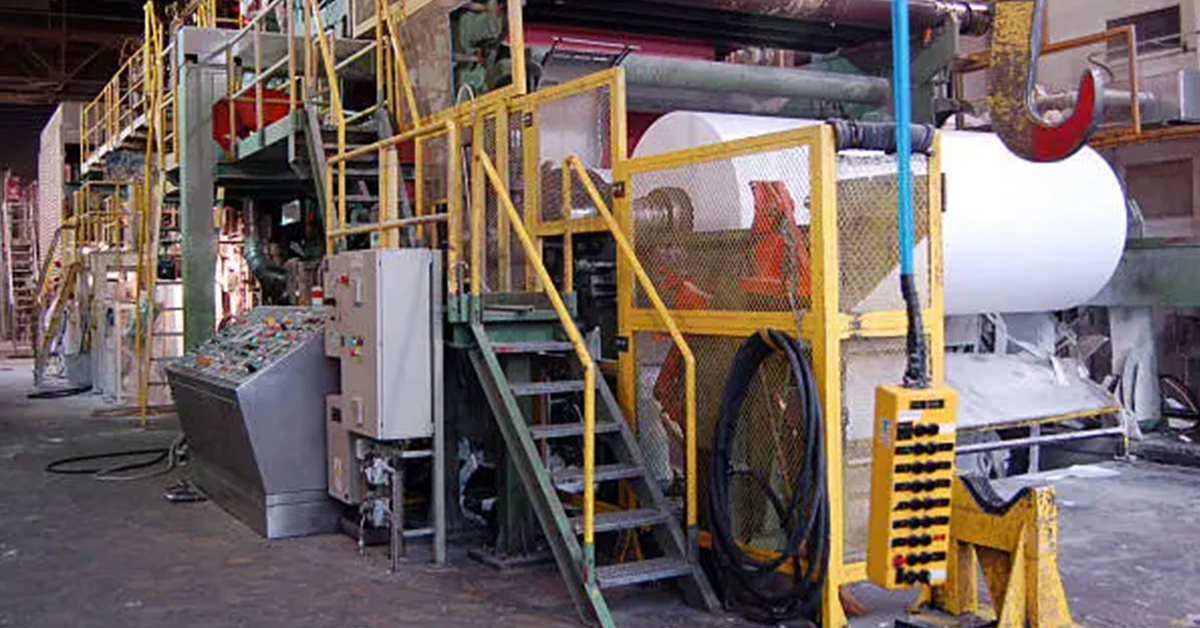
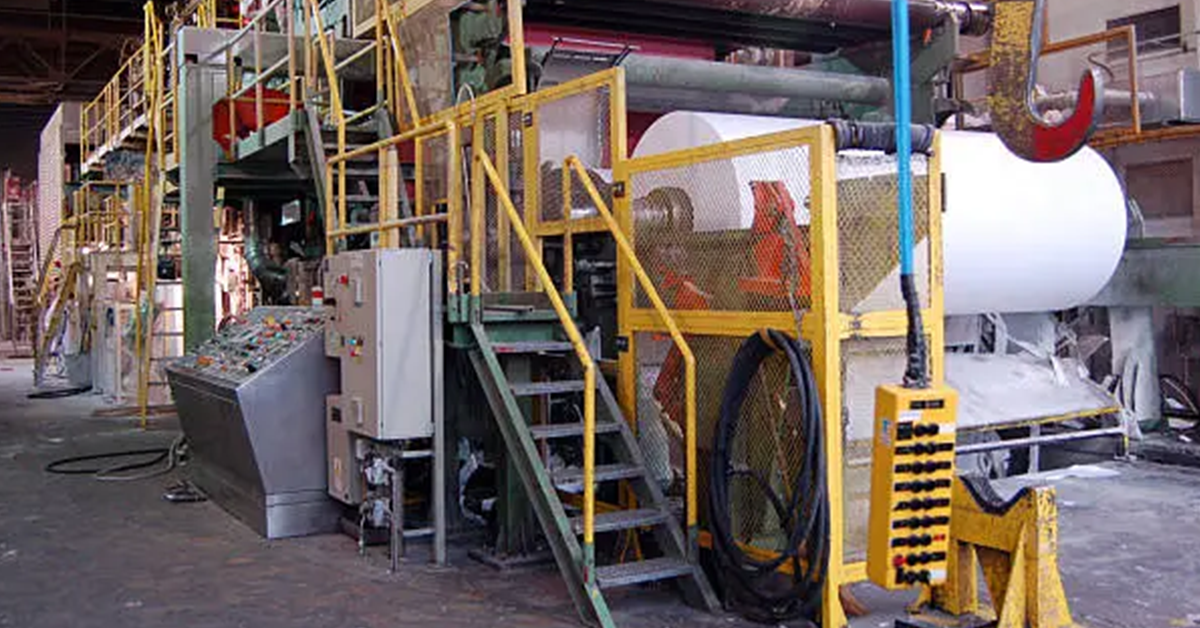
Refurbished and redeployed assets should have a more formal role in capital planning. While used equipment isn’t suitable for every project, when appropriate, it can lower initial costs, speed up procurement, and enable mills to extract value from assets that might otherwise remain unused, be dismantled for scrap, or go to auction.
Used Assets Can Change Project Economics
Recent industry examples show how meaningful the difference can be. Packaging Dive reported that PCA kept costs down on an energy-independence project by purchasing three 50-megawatt gas turbines for approximately $5 million, rather than spending around $100 million for new assets. Those units were reportedly shipped to the company’s Riverville, Jackson, and DeRidder mills.
The key point isn’t that every project will reach that level of savings. Instead, the lesson is that secondary-market assets can significantly impact the economics of a capital project when they are discovered early, assessed correctly, and aligned with a genuine operational requirement.
For mills facing rising costs, uncertain demand, and pressure to maintain competitiveness, that difference can be significant. A lower-cost asset option may improve payback, help a project clear internal approval hurdles, or allow capital to be redirected toward engineering, installation, automation, or other scope items that increase the investment’s long-term value.
Another recent example is unfolding in southern Ohio. The Scioto Valley Guardian reported that paper-making machines and equipment at the former Chillicothe paper mill are being dismantled for auction and scrap recovery. Situations like this can create opportunities for mills that need to replace or upgrade assets at a lower cost than buying new.
However, waiting for a public auction often means entering the same arena as every other interested buyer. By the time equipment appears in an auction catalog, visibility is broad, timelines are compressed, and buyers may have limited ability to assess whether an asset is a strategic fit before bidding.
The more strategic approach is to identify shutdowns, idled lines, and candidate assets earlier. That gives project teams more time to evaluate specifications, compare alternatives, contact current owners, and determine whether a redeployment opportunity is worth pursuing before competitive pressure increases.
Where FisherSolve® Fits
FisherSolve gives pulp and paper organizations a structured way to research mills, fiber lines, process equipment, and asset configurations across the industry. Rather than waiting for equipment to surface through auction channels, subscribers can use the platform to explore shutdown or idled capacity, review mill and machine-level details, and identify equipment that may align with current or future capital needs.
Image 1: FisherSolve equipment view used to assess available process equipment and asset characteristics.
In practice, that means a team planning a rebuild, replacement, debottlenecking project, energy upgrade, or capacity change can use FisherSolve to answer questions such as:
- Which mills or lines have recently shut down or reduced operations?
- What equipment classes, applications, capacities, vintages, and suppliers are associated with those assets?
- Are there assets in the market that could serve as alternatives to buying new?
- Which owners may be worth contacting directly before assets are dismantled, scrapped, or auctioned?
Turning Asset Intelligence into Better Capital Decisions
Times are challenging across the pulp and paper industry. Capital remains constrained, project scrutiny is increasing, and many organizations are looking for ways to stretch investment dollars further.
At the same time, valuable equipment is sitting idle at mills across North America.
The question is not simply whether refurbished equipment is better than new. The question is how quickly and effectively a mill can identify the right opportunities before the rest of the market does.
That is where FisherSolve delivers value. By providing visibility into mill assets, shutdowns, and idled capacity across the industry, FisherSolve helps project teams identify potential equipment targets earlier, evaluate more options, and support stronger capital investment decisions.
Learn how FisherSolve can help your team identify equipment opportunities and improve capital project returns.