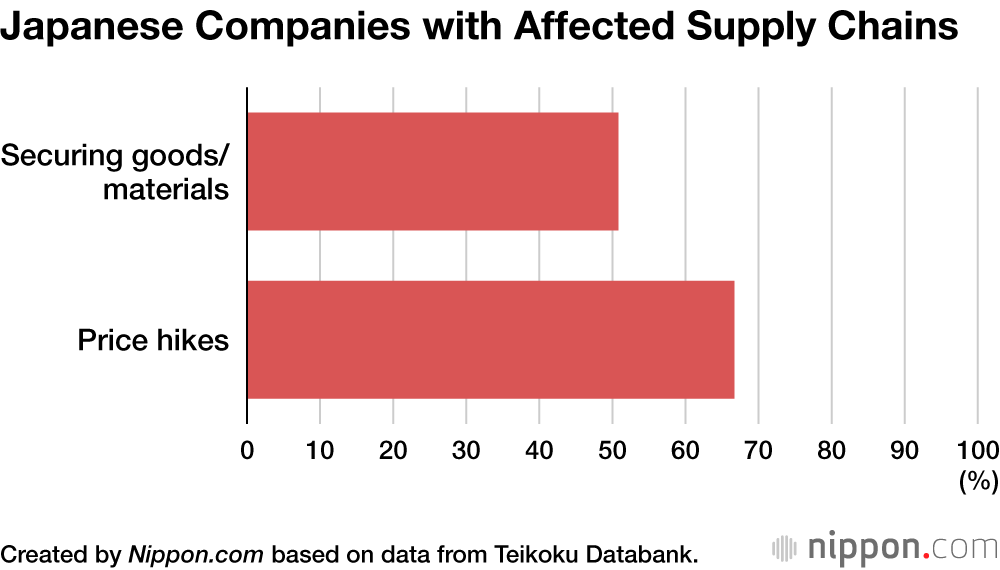
The war in Ukraine has inflated the cost of timber in Japan.
Russia’s retaliatory measures against economic sanctions have caused the supply of Russian timber to stagnate, and the Japanese government has introduced an emergency measure to counteract the price increases, which are affecting Japanese people’s lives in such areas as housing and furniture purchases.
“Wood prices are rising due to the Ukraine crisis,” a man was told by a homebuilder in early May. “You have to either increase your budget or reduce the number of rooms.”
The 36-year-old company employee was planning to build a house in Kodaira, Tokyo, the fulfillment of a long-cherished dream. He was reluctant to abandon the project, as he didn’t want to miss the timing of his 6-year-old son entering elementary school.
After wrestling with the issue and discussing it with his wife, the man decided to change the layout from five bedrooms to four, thereby preserving the original contract price of ¥50 million (EUR 353 thousand).
“I never imagined world affairs would affect my life,” he said.
Furniture prices are also on the rise. According to the Tokyo-based Japan Furniture Industry Development Association (JFA), some major manufacturers have raised by 10-20% the prices of their tables and cupboards made of Russian tamo wood.
“Rising prices for raw materials and logistics costs have led to the hike,” JFA senior managing director Kiyoji Takahashi said.
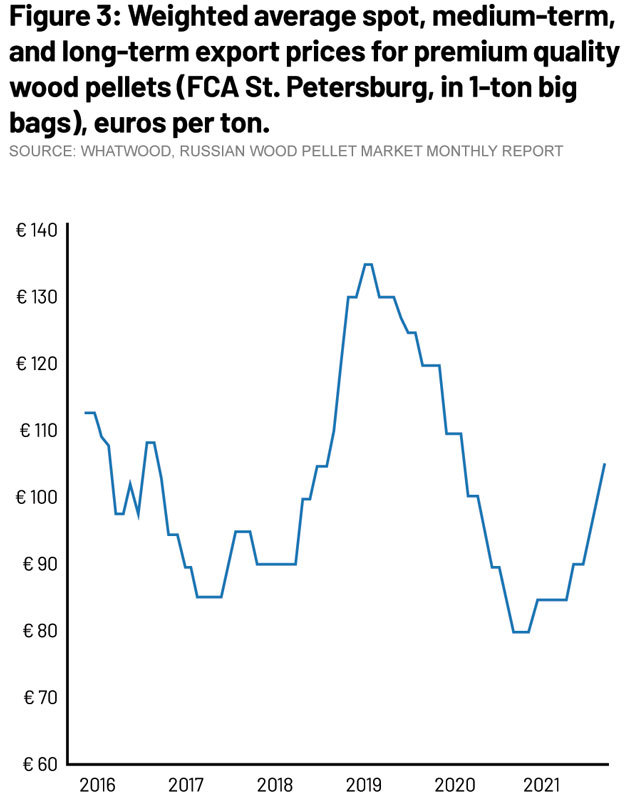
Wood prices were already climbing due to the “wood shock,” a global surge in lumber prices caused by a recovery in global housing demand and turmoil in container logistics.
The invasion of Ukraine accelerated the increases. Russia has banned the export of wood chips and veneer — plywood material that is used for house ceilings and walls — to Japan and other countries in retaliation for economic sanctions imposed by Western countries.
Russian veneer accounted for 82% of the 294,000 cubic meters of plywood imported last year. According to the Agriculture, Forestry and Fisheries Ministry’s latest statistics, the national average price of softwood plywood was ¥2,070 per sheet in March, about 70% higher than a year earlier.
Daiichi Mokuzai, Ltd., a plywood seller in Tokyo’s Koto Ward, has seen a drop in its stock of residential plywood made from Russian larch.
“This is the first time, except in the wake of disasters, that it’s been in such a short supply,” said Naoki Morozumi, Daiichi Mokuzai’s sales department manager. “The situation could affect not only housing but also the construction of buildings and condominiums.”
Russian timber is considered “conflict timber” — the board of the the Programme for the Endorsement of Forest Certification (PEFC) certified it as such in early March and recommends the use of appropriately managed forest resources.
“Imports of Russian timber have been banned internationally,” said Tatsuya Kajiya, secretary general of the Tokyo-based Sustainable Green Ecosystem Council, a PEFC governing body in Japan. “The impact on the industry will increase if the invasion continues.”
The Russian timber supply will continue to be tight, and inventories are feared to run out in the summer. The government is therefore encouraging a shift to domestic timber.
As part of its “comprehensive emergency measure” against higher prices, the Forestry Agency will allocate about ¥4 billion (EUR 28 billion) to wood processing companies to support the cost of transporting and procuring domestic wood. It will also provide funds to homebuilders and building contractors to help them change their construction methods.
“As a mid- to long-term measure, we want to promote the use of domestic wood to realize a supply-demand structure that is less affected by overseas markets,” the agency’s timber industry section chief said.
The post Skyrocketing wood prices in Japan due to Ukraine war appeared first on Global Wood Markets Info.