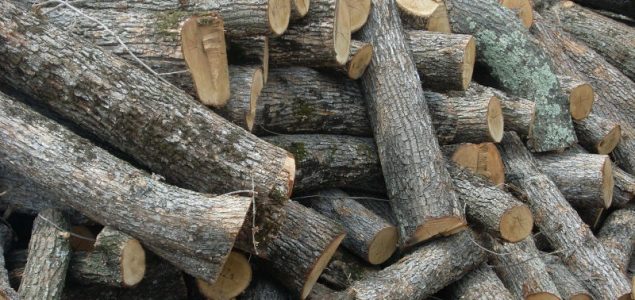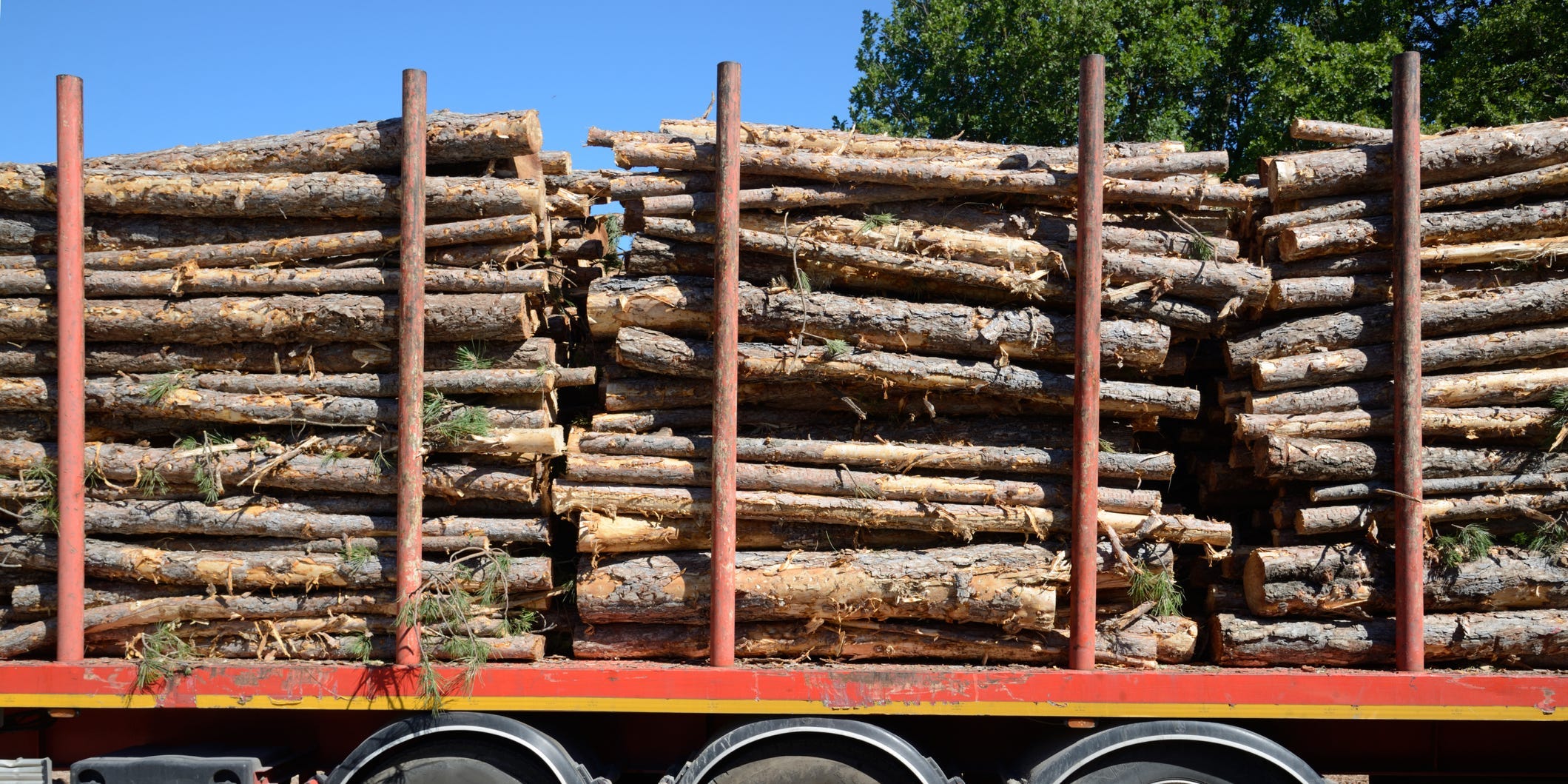
Last year, less than nine million cubic meters of wood and wood chips were imported by Finland from Russia, covering about three-quarters of imports. The use of imported wood in Finland is concentrated in the chemical forest industry, which accounted for 23 percent of the use of raw wood in 2021. The majority of Russian imports are birch fiber wood and wood chips.
The outbreak of the war clearly reduced the amount of wood imported from Russia. In January-February, a total of about one million cubic meters of raw wood was imported, which was just over a fifth less than in the early months of last year. The decrease was partly due to UPM’s strike, and partly due to import restrictions threatened by Russia last year. The volume of imported timber in March collapsed 78 percent of the volume of imports in March last year. However, some wood will be imported to Finland this spring before imports stop completely. The EU’s fifth sanctions package banned timber imports from Russia, but long agreements are subject to a transitional period until 10.7. The volume of wood imported from other countries is also clearly lower in the first quarter of this year than last year.
The greatest pressure on wood procurement is on domestic wood resources. However, the decline in mass industry production this year and the wood imported from Russia in January-February will reduce the pressure to replace imported wood from Russia. However, the total volumes of domestic timber harvesting and timber trade do not yet reflect the replacement of Russian timber imports. By April, the accumulation of harvested wood at the beginning of the year was about one million cubic meters, which is four percent less than last year. The decrease is partly due to UPM’s labor disputes and partly to last year’s production capacity cuts. The volume of vertical sales in private forests in January-April was as much as almost 30 percent lower than the five-year average, although forestry companies have recruited more purchasing people.
Estimate of the development of imports of sawn timber and plywood
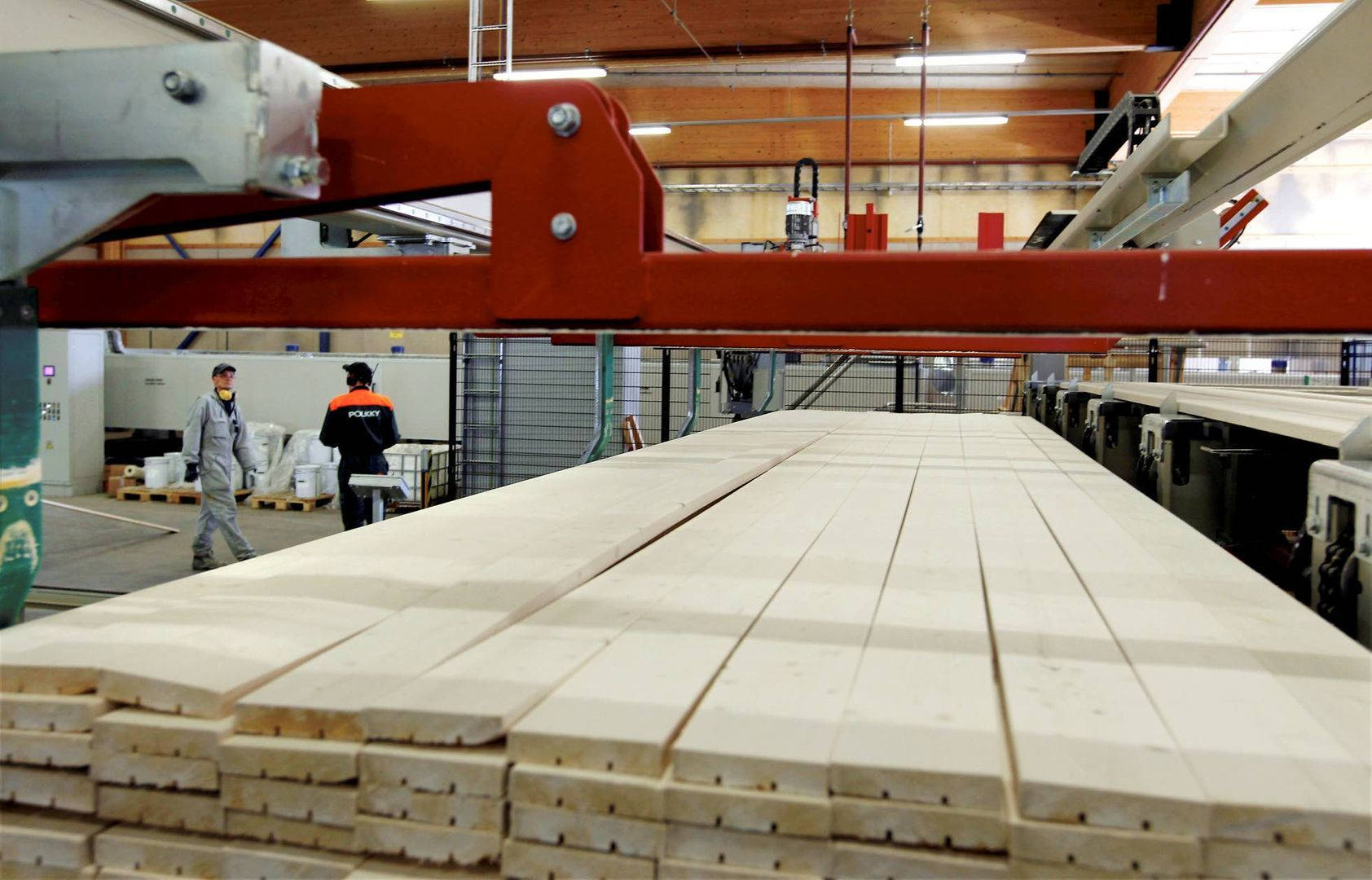
Until this spring, a significant part of Finland’s domestic consumption of sawn timber was imported from Russia. In recent years, Russia’s share of Finnish sawnwood consumption has been about 15 percent, so the end of imports is a big change. Imports of sawn timber and plywood from Russia will end completely by 10 July, when the transitional period for long-term contracts for timber products in the EU’s fifth package of sanctions expires.
Imports of sawn timber from Russia to Finland increased by 77 per cent and plywood by 67 per cent in February to March. Also in previous years, more sawn timber and plywood were imported in March than in January or February, but in March of this year considerably more than usual. By comparison, 47,000 cubic meters of sawn timber were imported in March last year and 76,000 cubic meters in March this year. Purchases are likely to have boosted imports in March to replenish inventories.
According to customs, the number of trucks arriving in Finland from Russia fell by more than a third in March and the number of wagons by more than 40 per cent. The slowdown in truck traffic was accelerated by Customs’ decision to turn off trucks with Russian and Belarusian plates arriving from Russia as of 9 April. In April-May, imports of sawn timber and plywood are likely to have decreased compared to March.
The post Impact of the war in Ukraine on the Finnish forest sector appeared first on Global Wood Markets Info.